
Thursday Thoughts: Mississippi Burning and the Authority of a Convenient Lie
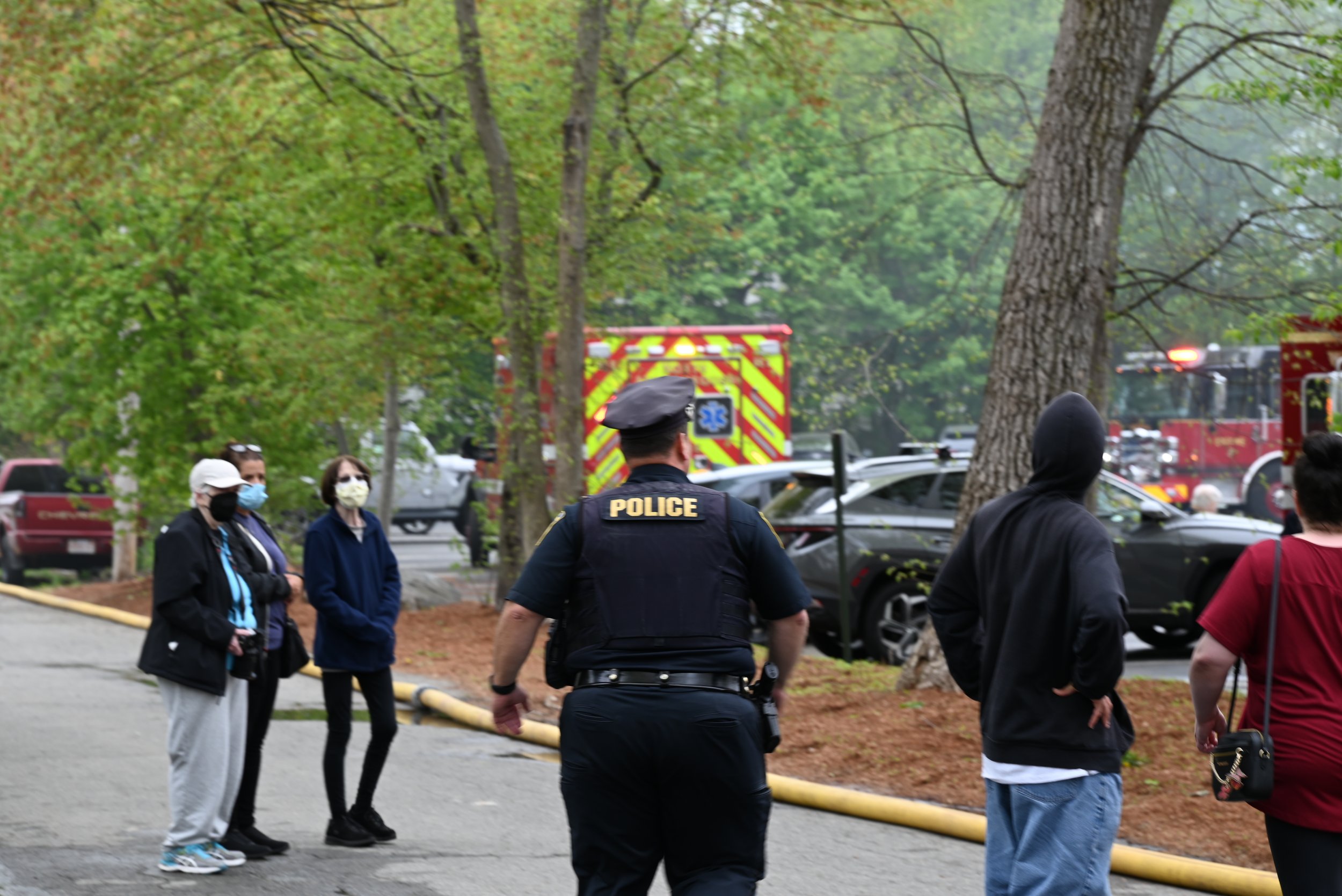
Photo taken by George Sisca II - SNN
This column contains spoilers for Mississippi Burning. - By George Sisca II | SNN Commentary
I watched Mississippi Burning for the first time this week. Nearly four decades after its release, the film left me shaken by the violence it depicts and struck by the familiarity of the excuses surrounding it.
Early in the film, the sheriff dismisses the disappearance of three civil rights workers as a publicity stunt connected to Martin Luther King Jr. Federal investigators suggest that something terrible may have happened. The sheriff offers a more convenient explanation: the people challenging injustice must have manufactured it.
My immediate thought was that they did not need Fox News back then. The sheriff was providing the preferred narrative himself.
We often talk about Fox News as though it taught people to think this way. But the film brought a longer history into focus. The impulse to dismiss inconvenient facts, blame outsiders and portray demands for equality as threats was well established long before cable television.
The sheriff’s explanation offers his community permission to believe that the people challenging their way of life are dishonest. Accepting it requires no examination of the town’s prejudices, its leadership or its capacity for violence. Suspicion falls on the missing men instead.
That is what makes the scene feel so contemporary. An explanation can be persuasive because it protects an identity, even when it does little to explain the evidence. People have always sought reassurance from voices they trust, whether those voices belonged to a sheriff, a neighbor, a political leader or a television host.
Fox News can still be held responsible for the narratives it promotes. But blaming a network alone gives its audience too little responsibility and this history too little attention. Media outlets can reinforce prejudice, give it a larger platform and reward people for expressing it. They also draw upon beliefs their audiences already hold.
The uncomfortable question reaches beyond who is telling people what to think. Why does a particular explanation appeal to them? What does it allow them to excuse? What would they have to confront if they admitted it was wrong?
The sheriff’s badge adds another dimension. His position lends credibility to a claim that should demand scrutiny. He has offered a theory about the missing men’s motives before establishing what happened to them.
As a journalist, that scene made me think about how easily an official statement becomes an accepted account.
A sheriff, police chief or government spokesperson may have access to information the public needs. That person may also have an institution to protect, assumptions that distort their judgment or an interest in directing attention elsewhere. The title alone cannot tell us which explanation applies.
Yet too often, what passes for reporting amounts to stenography. We record what the person in charge says, attach a title to the quotation and publish it. The attribution may be accurate while the underlying claim remains entirely untested.
An unsupported allegation can acquire authority through that process. A sheriff makes a claim. A news outlet carries it. Readers encounter it beneath a headline, with the weight of both the office and the publication behind it. Even the phrase “according to authorities” can leave an impression of certainty that the evidence does not justify.
The reporting has to go further. What supports the claim? Who has firsthand knowledge? Do records corroborate the account? What do the people being accused say? Has the official answered the question, or redirected it toward someone else’s supposed motives?
When evidence is unavailable, we should say so and keep investigating.
In Mississippi Burning, the sheriff’s explanation shifts suspicion away from those who might have harmed the missing men and toward the men themselves. A journalist who simply repeats that explanation risks helping him accomplish it.
The badge makes his words consequential. It also makes scrutiny essential.
Later, residents speaking to television reporters move between dismissing the disappearances as a hoax and suggesting that the missing men deserved whatever happened to them.
That progression is chilling. Denial becomes justification without disturbing the speaker’s certainty. The conclusion survives even when the explanation changes.
Willem Dafoe gives a compelling performance as an FBI agent determined to confront the town’s hostility. Gene Hackman is equally impressive as his partner, whose knowledge of the South brings both insight and a willingness to use methods that should trouble us.
As the federal presence grows, so does the warning that the investigation will provoke greater violence. It brought Waco and the Branch Davidians to mind, though the circumstances are profoundly different. What connected them in my thinking was the fear surrounding federal intervention and what might happen when an already volatile situation intensifies.
In this film, however, the violence precedes the investigators. The community’s apparent order depends on people understanding the consequences of challenging it.
When frightened residents urge others to stay quiet, their words carry the weight of experience. They must continue living there after the agents leave. Cooperation can endanger a family, a home or a livelihood.
The film makes that fear painfully tangible. Oppression becomes especially effective when those living under it feel compelled to discourage one another from resisting.
“Fear will keep the local systems in line” - Grand Moff Tarkin, A New Hope, 1977
Hackman’s character understands the machinery of intimidation and eventually turns it against the men responsible. The barber-chair scene is unforgettable. So is the deception that exploits a Klansman’s fear of his own organization.
I felt the satisfaction those scenes were designed to deliver. I recognized the frustration behind them, too. There is something infuriating about watching people invoke the protection of rules they have denied to everyone else.
Still, the film leaves a difficult question: how readily do we accept abuses of power when we approve of their targets?
That question became more important as I read about the history behind the movie.
I initially assumed I was watching an invented story. Instead, I learned that Alan Parker’s 1988 film drew loosely from the investigation into the 1964 murders of James Chaney, Andrew Goodman and Michael Schwerner.
The three civil rights workers were detained, released and murdered in a conspiracy involving Klansmen and local law enforcement. The film takes substantial liberties with that history, particularly in its portrayal of the central FBI agents and their methods. Its departures go well beyond changing names.
Those distinctions matter, especially for viewers encountering the case for the first time.
My initial response to the harsh criticism was disbelief. The performances were extraordinary. The cruelty was devastating. The moral urgency seemed unmistakable. How could a film that affected me so deeply provoke such strong objections?
Reading the criticism helped me understand.
Critic Jonathan Rosenbaum challenged the film’s elevation of the FBI into the principal heroic force confronting Southern racism. Its narrative belongs overwhelmingly to the white federal agents. Black residents endure terror, mourn and bear the consequences, while the investigators drive the action toward its resolution.
That choice narrows the history.
The civil rights movement grew through the work of Black organizers, congregations, families and communities whose courage was exercised long before federal agents arrived. Their struggle involved planning, disagreement, persistence and extraordinary personal risk. A film can depict their suffering vividly while giving too little attention to their agency.
The FBI’s history further complicates the heroic framing. Its investigation into these murders was consequential. Under J. Edgar Hoover, it also surveilled and harassed King. Understanding the period requires holding both facts in view.
I continue to admire what Parker accomplished. Mississippi Burning is gripping, superbly acted and deeply unsettling. I also understand why people familiar with the movement objected to the history it placed before a mass audience.
Those objections were raised when the film came out. Dismissing them as a matter of who was sufficiently “woke” would overlook the substance of their argument.
I would welcome a film about this history from a director such as Ryan Coogler, with Black Mississippians at its center. The young Aaron Williams, played by Darius McCrary, made me particularly conscious of how much more there was to explore.
What did people like him understand about the danger around them? How did their families decide whom to trust? What sustained their determination to claim rights that others were prepared to kill to deny?
There is a powerful film in those lives, one that gives their courage and choices the same attention this film gives the investigators.
Watching Mississippi Burning also prompted me to think about responsibility across generations.
I do not believe race makes someone personally guilty of atrocities committed before they were born. Yet acknowledging that principle should leave ample room to hear the anger, grief and distrust those atrocities produced.
The responsibility within our reach concerns our own conduct: the injustices we recognize, the excuses we accept and the history we are willing to examine.
The progress since 1964 is substantial, but always fluid.. Studying the conditions that made such violence possible helps us understand both the achievement and the work that remains.
I would welcome Mississippi Burning in a history classroom alongside Selma, provided students also encounter the historical record. The differences between a film and the events it portrays can become part of the lesson. Whose perspective shapes the story? Who receives a voice? What does the audience leave believing?
One consequence of this particular film holds special meaning for me as a journalist.
Watching Mississippi Burning helped inspire reporter Jerry Mitchell to investigate civil rights killings whose perpetrators had escaped accountability. His reporting contributed to prosecutions in several cases, including this one. In 2005, Edgar Ray Killen was convicted of manslaughter in the deaths of Chaney, Goodman and Schwerner, 41 years after the killings.
That is a remarkable legacy for a film whose portrayal of history remains open to criticism. It moved a reporter to ask questions, examine evidence and pursue answers that powerful people had avoided for decades.
I began watching with little understanding of the story behind it. I finished with admiration for the filmmaking, anger at the cruelty and a desire to learn more about the people whose lives it drew upon.
