
Monday’s Motivation: Who Gets to Be Credible?
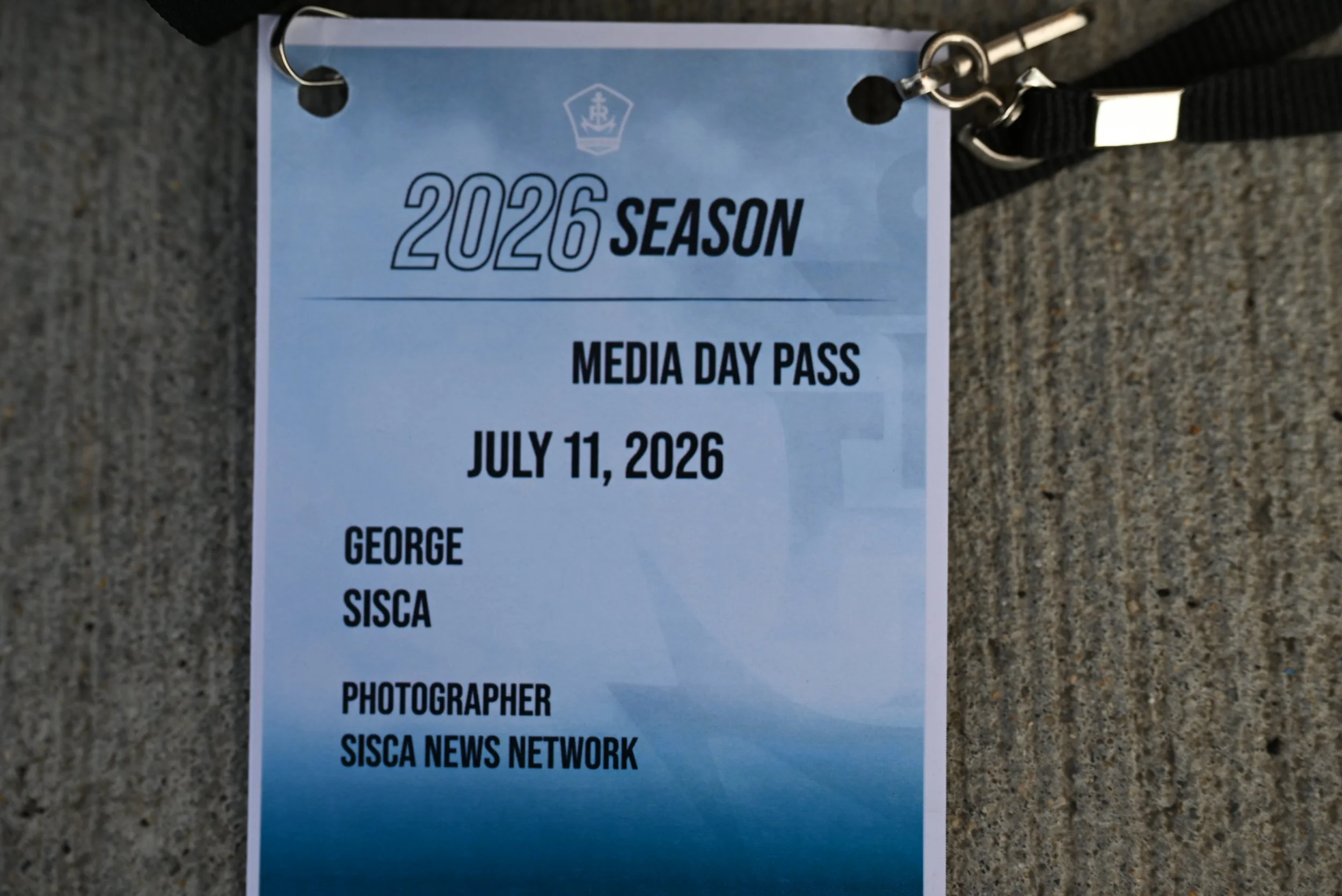
A local radio producer recently challenged me on Twitter, which I still refuse to call X, about the presence, credibility, audience and consistency needed to earn Major League Soccer media credentials.
Presence and consistency? We’ve been there. Credibility? Judge the work. Audience is the harder part. In today’s fractured media landscape, getting eyes on journalism is a challenge even when you keep showing up.
On Oct. 1, Sisca News Network will mark one year producing local and national news as an LLC. My reporting started before that, including local stories I produced while studying journalism at Harvard Extension School. That was also where my Rhode Island FC journey began.
Even a Pulitzer Prize does not make everyone believe a story. The staff of Pablo Torre Finds Out won the 2026 Pulitzer Prize for Audio Reporting. Its reporting on the Clippers and Kawhi Leonard faced pushback from fans before the NBA imposed substantial penalties.
Then there’s the question of visibility. Former U.S. soccer star Landon Donovan recently said he would have “zero interest” in watching the New England Revolution even with a free ticket. His remarks were harsh, and Revolution fans have every right to disagree.
SNN is small. I know that. But we have covered every Rhode Island FC home game since receiving access, publishing stories, photos and videos across our website and social platforms. Those videos have drawn thousands of views, and I know of families who came to Centreville Bank Stadium after seeing our coverage.
What would it cost the Revolution to give another working journalist an opportunity?
We first sought access to NFL games at Gillette Stadium. When that did not happen, we kept working. Rhode Island FC and the Worcester Red Sox gave us opportunities to cover professional sports and show what we could produce. I’m grateful for that access. Still, the idea that covering those teams is merely a test before we are ready for a “major” league misses something about me: Baseball, football, basketball and hockey are the sports I grew up knowing best.
I watched Mark Messier and Patrick Ewing on MSG. I watched the World Cup every four years, especially the U.S. women’s team. My path into regular soccer coverage came later, through reporting.
Mr. Quinlan has a point about audience. An outlet seeking access should be able to show that it reaches people. But audience size and journalistic credibility are different measures. An established institution has a name people recognize before its reporter asks a question. An independent outlet has to build that recognition story by story, often while being denied the access that could help it grow.
I answered your credibility argument too sharply on Twitter. The crude example I used was meant to make a point about attention: If I made every matchday video sensational, I might gain followers faster. Would that make my reporting more credible?
That is the question I keep coming back to. If attention is the standard for access, outlets will be pushed toward whatever draws attention. If the standard is journalism, look at the work we have already published.
